TurtlePen
A drawing language that gives AI a ruler, a canvas, and a way to check its work.
Chuck Gamburd · Independent researcher & builder
Curiosity, built
into something useful.
AI tools, working software, and field research.
A connected body of work, from idea to evidence.
AI & developer tools / Applied systems / Creative experiments
A look inside01 / Selected work
A drawing language that gives AI a ruler, a canvas, and a way to check its work.
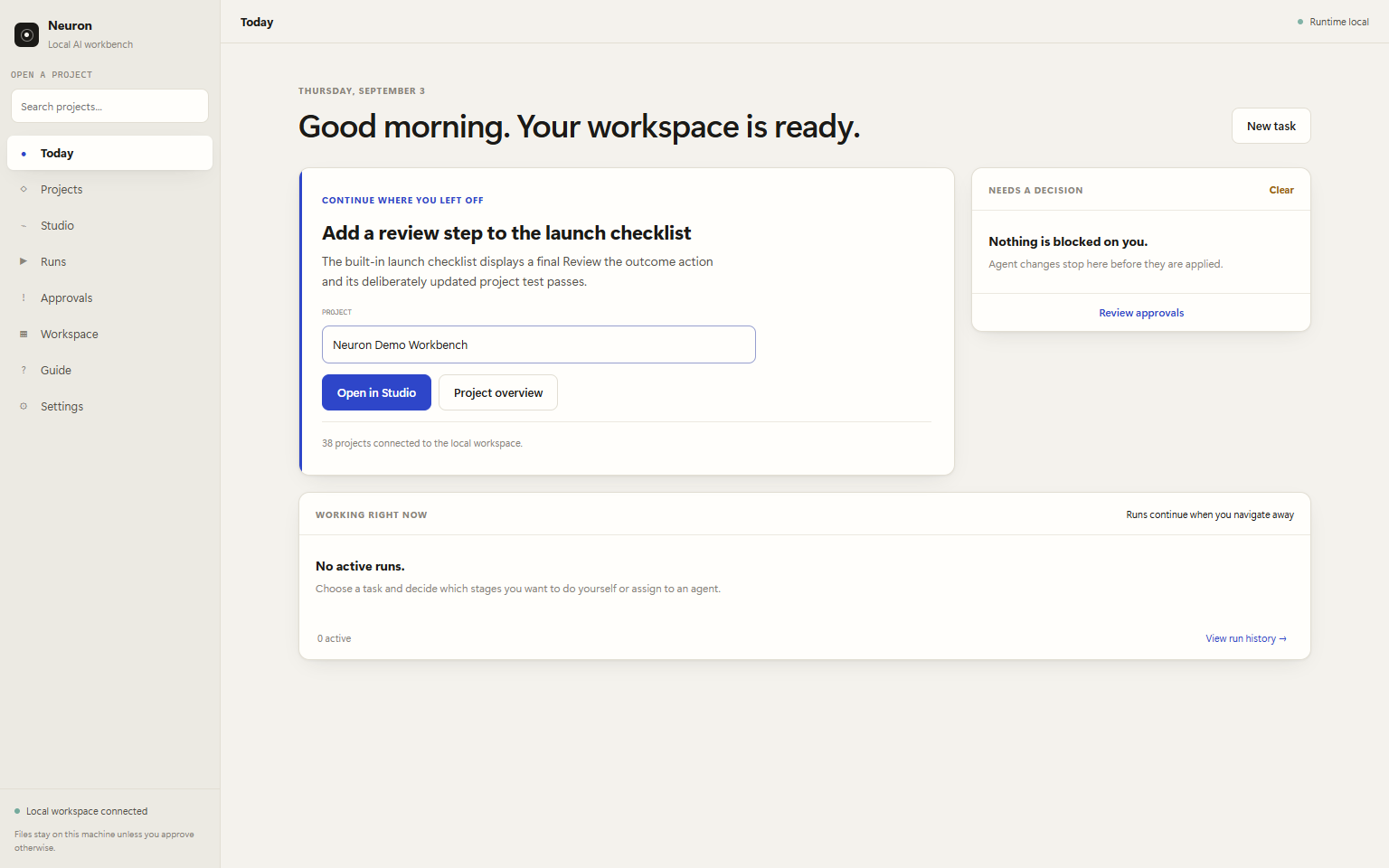
A local AI coding workbench that keeps projects, people, agents, and evidence together.
A research workstation connecting market discovery, analysis, and the trading journal.
A staged intake system for examining outside artifacts before agents can read them.
02 / Research & working questions
47 research topics.
Six connected fields of inquiry.
Intent, memory, orchestration, and the contracts that keep long-running work coherent.
02Readable workbenches, measured geometry, and interfaces that respect human attention.
03Vehicles, fabrication, and HVAC work turn real constraints into design requirements.
04Market research, intraday analysis, and the context connecting a decision to its review.
05Game worlds, characters, asset tools, live production, and methods for teaching.
06Artifact screening, bounded iteration, source records, and claims backed by observable work.
04 / Notes from the workshop
What happens if we stop trying to make software impossible to understand, and instead make what an attacker understands expire before they can use it?
Tools · 3 min readGiving the agent a name clarified a larger design question: who owns the work when a conversation ends?
Tools · 3 min readBrainn for Business starts with one repeated task, a result people can check, and a team that knows how to run it again.